Native iOS apps
Swift apps for iPhone and iPad that follow Apple guidelines, use device features and are prepared for App Store review.
100+ projects delivered and supported
We design and build iOS, Android and cross-platform apps for startups and established businesses worldwide. You get screen designs, a written scope and a fixed quote with a target date before any code is written.
Under mobile app development, these are the parts clients ask for most. A project can use one of them or all.
Swift apps for iPhone and iPad that follow Apple guidelines, use device features and are prepared for App Store review.
Kotlin apps for phones and tablets, tested on a range of screen sizes and Android versions before release.
One Flutter codebase for iOS and Android when budget and timeline matter more than platform-specific details.
Sign-up, login, in-app purchases and subscription plans, including free and premium tiers handled through both app stores.
APIs, databases and a web admin panel so your team can manage users, content and orders without touching code.
Push notifications, local alarms and offline storage so the app stays useful when the internet connection drops.
Four steps, with a working test version after each part.
We talk through your idea, target users and must-have features, then agree which platforms to start with and why.
You receive screen designs, a written scope and a fixed price with a target date, so the budget is clear upfront.
Each feature arrives as a TestFlight or Android test build you can install on your own phone and review.
We prepare store listings, handle review submissions, connect analytics and offer optional monthly care for updates and fixes.
From 100+ delivered projects
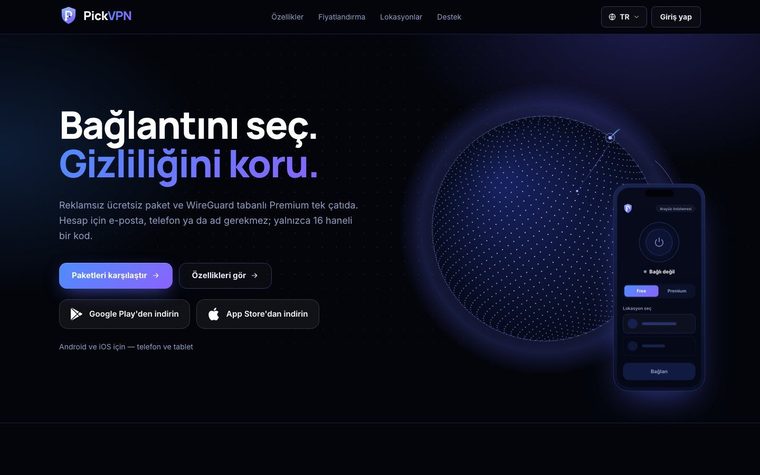
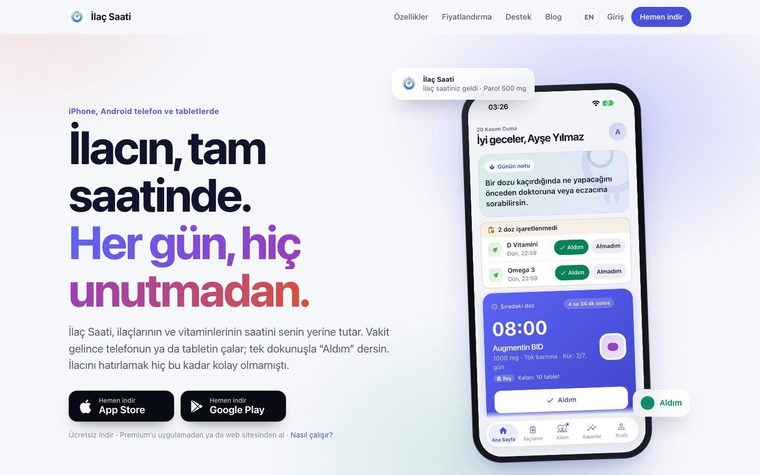
Products of this kind that we built and still support. Each box opens the live site.
Guide
Start with work you can install. A mobile app development company should be able to point to apps that are live in the App Store and Google Play, so you can check speed, design and reviews yourself. Ask who will write the code, how often you will see progress and what happens after launch. Clear answers to those three questions tell you more than any portfolio slideshow or sales deck.
Next, compare how each team prices the work. Hourly billing can suit open-ended research, yet most businesses prefer a fixed quote tied to a written scope, because it caps the budget and makes both sides agree on features early. Read the contract for ownership terms too. You should receive the source code, the store accounts and any server access once the final payment is made.
Native development means writing Swift for iOS and Kotlin for Android. It gives full access to device features, the smoothest animations and quick support for new operating system releases. Apps that depend on background services, Bluetooth, VPN tunnels or heavy graphics usually benefit from going native. The trade-off is two codebases, which means more development time and higher maintenance cost over the life of the product.
Cross-platform frameworks such as Flutter let one team ship to both stores from a single codebase. For content apps, booking tools, marketplaces and most business apps, users will not notice the difference. When you hire mobile app developers, ask them to explain their recommendation for your specific features instead of defaulting to the stack they know best. A good answer names the trade-offs in plain terms.
A short brief saves weeks. Describe who the users are, the main job the app does for them and the three or four screens that matter most. List any systems the app must connect to, such as a payment provider, a CRM or an existing website. Sketches on paper or screenshots of apps you like are useful, because they turn vague wishes into something a designer can draw.
Think about what happens after release as well. Apple and Google update their operating systems every year, and apps need small changes to keep working and stay listed. Decide who will answer user reviews, watch crash reports and plan the next version. Many teams start with a focused first release, measure how people use it and then add features based on real usage data.
The cost depends on the number of screens, platforms, integrations and backend work. After the first call we send a written scope and a fixed quote, so the price you approve is the price you pay for that scope.
A focused first version with a few core screens takes less time than a product with payments, chat and an admin panel. The quote includes a target date, and you see test builds after each part so progress stays visible.
You do. After the final payment we hand over the full source code, the backend and access to the App Store and Google Play accounts, so you can continue with us or with any other team.
Yes. We prepare screenshots, descriptions and privacy details, submit the builds for review and handle any feedback from Apple or Google. The app is published under your own developer accounts.
Yes. We review the current code, list what works and what needs fixing, then quote the fixes or new features separately. Ongoing updates, crash monitoring and OS compatibility work are available through optional monthly care.
Guides from our blog on this kind of project.
What drives the cost of an iOS and Android app: screens, accounts, payments, the backend, store publishing and upkeep. A plain guide before you ask for quotes.
Mobile appsFlutter vs React Native vs native apps explained for business owners: cost, speed, look and feel, hiring, upkeep and when each choice makes sense for your app.
Mobile appsHow to publish an app on the App Store and Google Play: developer accounts and fees, store listings, screenshots, privacy forms, review and common rejections.
Send a short brief and get a written, fixed quote. We reply in English, Turkish, Russian or French.